To the millions of Americans who tuned in every week, Andy Griffith was more than a TV character — he was comfort. A gentle father, a wise sheriff, a voice of calm in a chaotic world. As Sheriff Andy Taylor, he embodied small-town decency, the kind of man you wanted as your neighbor, your friend, maybe even your own dad.
But behind the charm of Mayberry and the effortless warmth that beamed through every scene, there lived another Andy — one far more complex. The real Andy Griffith, as remembered by the people who stood beside him when the cameras weren’t rolling, was not just the “good guy.” He was a perfectionist. A mentor. A man who carried storms beneath the surface.
And perhaps that’s why the show worked so well.
Here’s what his closest co-stars revealed — about the man who gave Mayberry its soul, and the shadows he carried while doing it.
🎭 The Creative Force — And Quiet Commander — of Mayberry
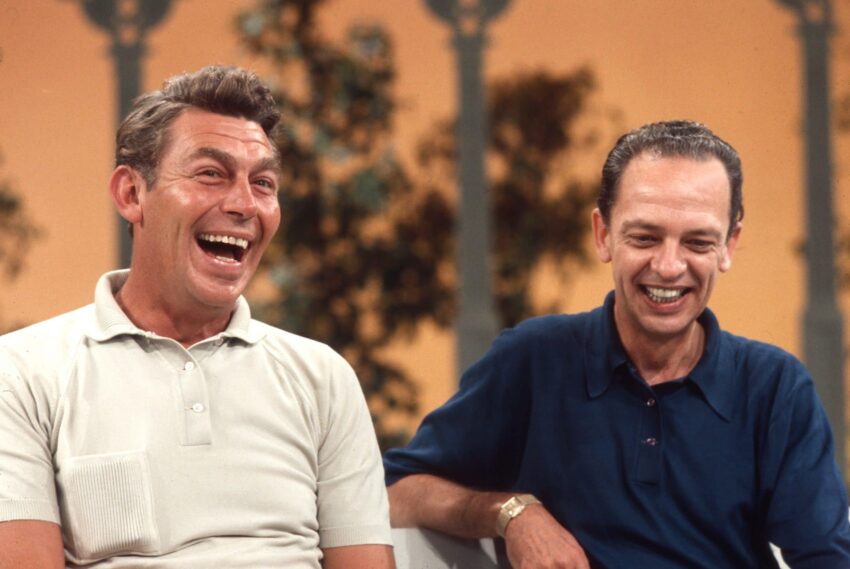
Andy Griffith was not merely the star of The Andy Griffith Show. Though rarely credited as such, he was its engine.
He had an iron sense of rhythm when it came to comedic timing, dramatic pauses, and scene transitions. Writers and directors often deferred to his judgment — not because he demanded it, but because he knew. He had a musician’s ear for dialogue, a preacher’s sense of pacing, and a playwright’s instincts for when something didn’t feel true.
Don Knotts once said that while Andy always gave actors the room to perform, he also had a clear idea of how every beat should land. “Andy was funny,” Don recalled, “but he was also exact. If a line didn’t ring right to him — even if it got a laugh — he’d want it changed. Because it had to be honest.”
This wasn’t ego. It was artistry. Griffith saw Mayberry not as a backdrop, but as a living world. And he was its quiet architect.
⚖️ The Weight of Being “The Anchor”
Being the star of a network TV hit is no small pressure. Being the name in the title? It was exhausting.
As the seasons progressed, some crew members noticed that Griffith grew more introspective. Some called it moody. Others saw it as focus. But all agreed: he felt the weight of it.
Ron Howard, who played little Opie, had a front-row seat to Andy’s duality. “He could be warm and playful,” Howard said, “but also very serious. Especially when it came to getting the work right.”
Howard would later credit Andy for shaping his own directing style. “He taught me about stillness. About waiting for the real moment. About how to care deeply without showing it off.”
Griffith was never just a performer — he was a craftsman building something that would outlive him.
🥃 A Man With Demons — But Boundaries
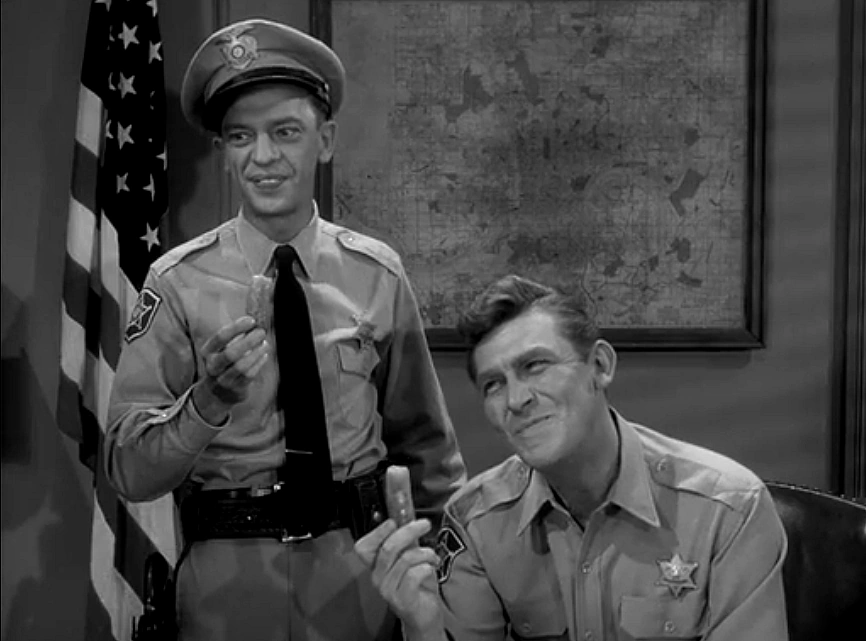
With pressure came vulnerability. Offscreen, Griffith wrestled with his own shadows. He could be distant, intense, and during certain periods, quietly battled stress and internal frustration. Some reports suggest he turned to alcohol to take the edge off — never on set, never disruptive, but always hovering in the background.
“He had an edge,” one crew member once recalled. “You could feel it in the air sometimes — like he was holding something back.”
But he never let that bleed into the show. Whatever was going on in his private life, Griffith never dropped the ball when it came to the work. He showed up. He delivered. He held the line for everyone else.
❤️ Fierce Loyalty to His Friends
Though complex, Andy was known for a kind of quiet, unwavering loyalty to the people he trusted.
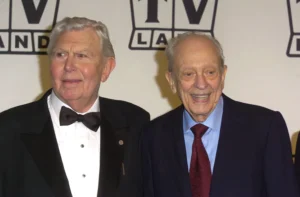
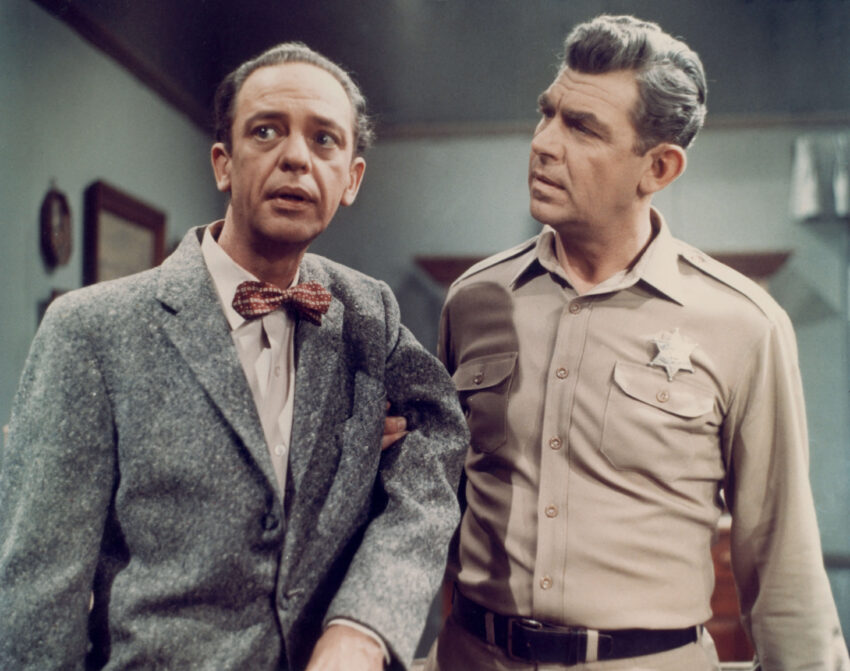
Don Knotts and Andy Griffith shared one of the most enduring friendships in Hollywood. Even after Don left the show, the two remained close. Andy would visit Don in his final days, and delivered a moving eulogy at his funeral in 2006.
“I loved him,” Andy said. “He was my friend.”
Their chemistry on-screen was real — built on years of mutual respect. Don once said that Andy made him better. Andy said the same of Don.
With Frances Bavier — Aunt Bee — the relationship was harder. They had a famously strained rapport during the filming years. Frances, classically trained and often frustrated with the looseness of TV production, clashed with Andy’s vision.
And yet, near the end of her life, she called him. She apologized for any past tension. Andy accepted. No grudges. Just grace.
And with Ron Howard? That bond was eternal. Andy watched Ron’s rise from child actor to Oscar-winning director with fatherly pride. “Andy believed in me,” Ron once said. “And that meant everything.”
🧠 Mayberry Was Simple — But Andy Was Not
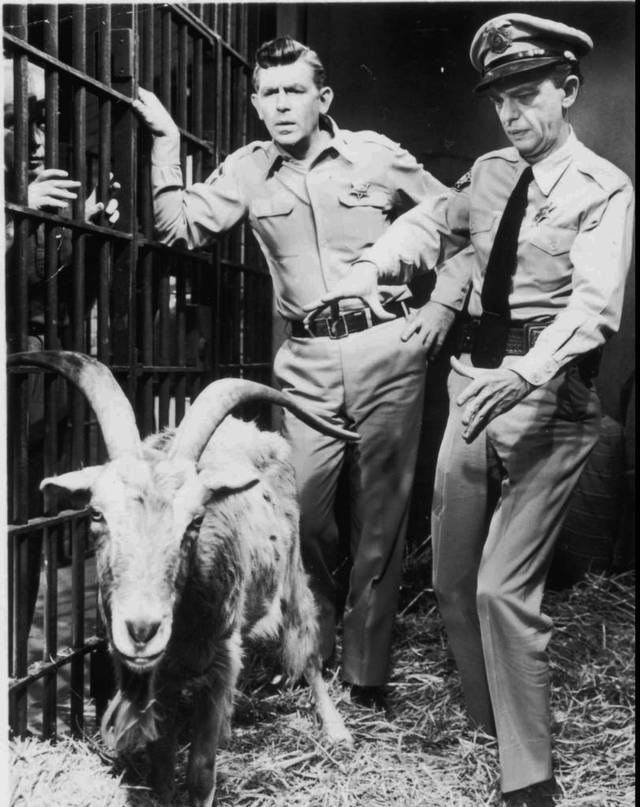
Part of The Andy Griffith Show’s magic was its simplicity. But creating that feeling took complexity. Andy brought depth to every scene because he was not, at heart, a simple man.
He was Southern, but not stereotypical. Folksy, but intellectually sharp. Funny, but not silly. He read scripts carefully. He edited scenes in his head. He would rehearse not just his lines, but everyone’s timing.
He wasn’t just Andy Taylor. He was the compass. The tone-setter. The moral center of a fictional world that many viewers wished they could live in.
And that world worked — because Andy didn’t just play kind. He believed in kindness. Even when he didn’t always feel it.
📺 The Final Image We Hold On To
In later years, Andy rarely spoke about the inner workings of the show. When asked why it endured, he often shrugged: “People just liked it.”
But those who worked with him knew better. They knew that the man who played the sheriff was also the mayor behind the scenes. That every line, every laugh, every lull in the script was sharpened by Andy’s hand.
And even with all the pressure, the perfectionism, the occasional storm in his eyes — he never stopped caring.
He carried Mayberry on his back. And we’re still walking its streets.
💬 Final Thoughts: More Than Just the Sheriff
It’s easy to see Andy Griffith as Sheriff Taylor and leave it at that. But the real Andy was far richer, harder to categorize, and — frankly — more interesting.
He was a builder of worlds. A man who knew silence could be funnier than shouting. Who demanded more of his work than most ever realized. Who wrestled with his own burdens but gave us comfort.
In a world where so many public figures are manufactured personas, Andy Griffith was something rarer:
He was real.
Not always easy. Not always sunny. But always striving.
And maybe that’s the biggest lesson Mayberry ever gave us — that goodness doesn’t come from perfection, but from purpose.