Mayberry Never Mentioned the Headlines
The Andy Griffith Show was built on a gentle fantasy: a peaceful town, charming quirks, and lessons learned through laughter. War, politics, and social upheaval never crossed Mayberry’s borders. But on November 22, 1963, the real world knocked on its studio doors.
That day, President John F. Kennedy was assassinated in Dallas, Texas. It was one of the most tragic and shocking moments in American history. And though it never made it into a script, it cast a long shadow over the set.
For the cast and crew of The Andy Griffith Show, this moment shattered the illusion they worked so hard to build.
“Everyone Was Stunned”: The Moment the News Hit the Set
Jackie Joseph, who played Ramona—Ernest T. Bass’s girlfriend—was on set when the news broke. In an interview included in Karen Knotts’ memoir Tied Up in Knotts, she recalled how the moment felt like a bomb went off in the middle of a warm and happy gathering.
“One of the assistants came in and told us. Just like that. And then everything went quiet. A pall fell over the room.”
The cast had been rehearsing and prepping for a typical day of lighthearted comedy. Instead, they found themselves paralyzed with disbelief.
The show’s producer Aaron Ruben reportedly told everyone to go to lunch. No decisions could be made until the initial shock wore off. But lunch that day was not an escape. For many, it became a painful extension of grief—and even conflict.
A Divided Table: Pain, Tears, and Disappointment
During the break, Jackie Joseph found herself sitting with Frances Bavier (Aunt Bee) and Doris Packer (Mrs. Wiley). What unfolded left her emotionally torn.
“They started talking about Kennedy like it was no big loss,” Joseph remembered. “I was choking back tears. I didn’t understand how they could be so cold.”
According to Joseph, the actresses brought up rumors about JFK’s personal life, his infidelity, his politics—as if any of it justified their lack of sorrow.
“He was our president. He had just been murdered. How could they talk like this?”
Joseph didn’t have the courage to speak up. She was still relatively new to the set. And in the 1960s, young actresses were expected to know their place.
She recalled that Bavier and Packer, though merely playing “prim and proper” women on screen, were behaving with a kind of cold detachment that felt too real.
Off-Camera Grief, On-Camera Smiles
Despite the shock, the show went on. Sort of.
The cast made the decision to delay full production for the weekend. They read the script, rehearsed the blocking, but postponed shooting.
“We just couldn’t go on like nothing happened,” Joseph recalled.
Over that weekend, America stood still, glued to their television screens. The assassination—and the live coverage that followed—was a national trauma unfolding in real time.
When the cast returned to work on Monday, the mood was somber. But they picked up the pieces, returning to their roles, delivering laughs and joy to a nation in mourning.
Don Knotts Brought Laughter Back
Of all the cast members, Don Knotts seemed to be the one who intuitively knew how to lighten the atmosphere without disrespecting the grief.
“He got us laughing again,” Joseph said. “Not with big speeches or distraction. Just by being himself.”
Knotts, known for his role as the bumbling but lovable Barney Fife, brought a kind of innocent relief. His commitment to comedy was more than performance—it was a kind of healing.
Even while grieving himself, Knotts made it possible for others to cope.
Tears at the Water Cooler
Jackie Joseph wasn’t the only one struggling with her emotions.
She remembers crying at the water cooler with Howard Morris, the actor behind the eccentric Ernest T. Bass. The two comforted each other between scenes, then returned to the set to perform as if everything was fine.
“We’d cry a little, wipe our eyes, and go back to dancing and leaping over tree stumps.”
The absurdity of it all—playing joy and mischief while processing grief—wasn’t lost on her.
But that’s what actors do. They perform through pain. And that’s what the country needed.
The Magic of Mayberry—and Its Limits
The Andy Griffith Show offered viewers a kind of emotional shelter. In an era of assassinations, war, and cultural revolution, Mayberry stood untouched.
But behind the camera, the people who brought Mayberry to life were very much affected by the world.
Daniel de Visé, author of Andy and Don: The Making of a Friendship and a Classic American TV Show, wrote:
“The show never acknowledged the social revolutions outside its walls. It looked backward, not forward.”
And perhaps that was its strength. But also its fragility.
The Kennedy assassination reminded everyone—even the cast of America’s most idyllic show—that no one could stay untouched by history.
Frances Bavier: More Than Just Aunt Bee
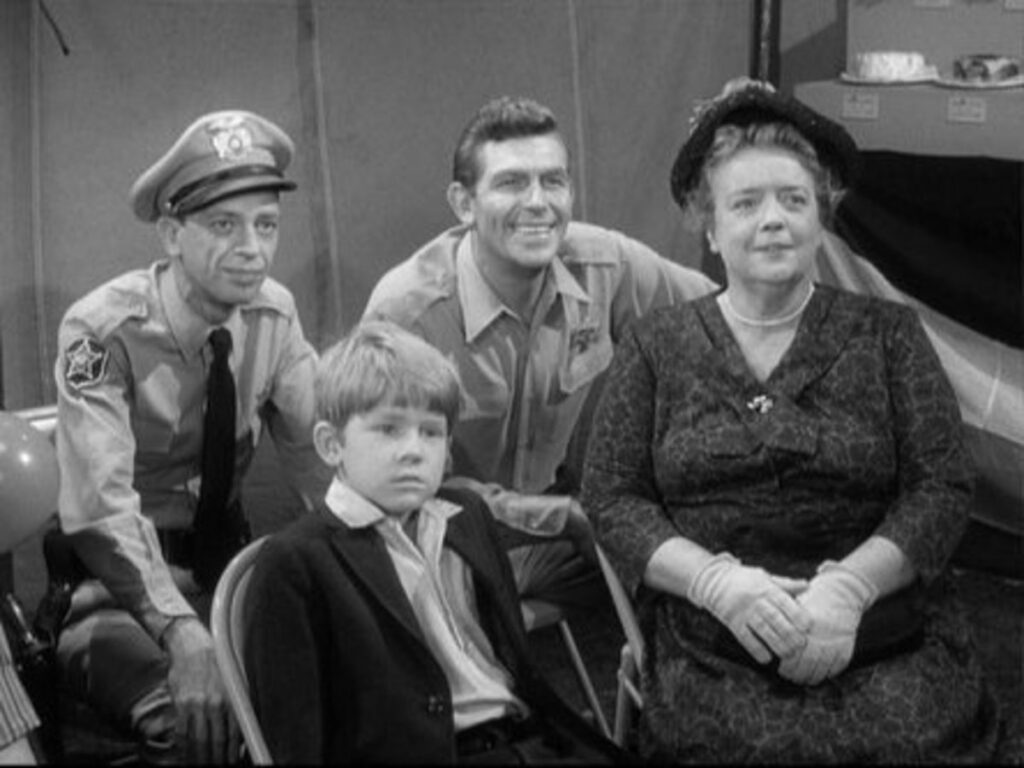
Joseph’s disappointment in Frances Bavier wasn’t unique. Many cast members had complicated feelings about the actress, who played the kind-hearted Aunt Bee.
Off screen, Bavier was known for being private, stern, and often difficult. Her remarks about Kennedy added another layer to the tension that already existed.
“She acted like Aunt Bee, but she wasn’t Aunt Bee,” Joseph said. “And that day proved it.”
The moment peeled back the layers of acting. Behind the soft costumes and warm smiles were human beings, each carrying their own beliefs, biases, and boundaries.
A Moment That Was Never Filmed—But Never Forgotten
There are no episodes of The Andy Griffith Show that reference JFK, or any political turmoil of the era.
But for Jackie Joseph and others, the day Kennedy died became etched into their memories.
“It was like a crack in the facade,” she recalled. “Mayberry was a dream, and for a moment, reality broke through.”
The studio didn’t record the tears. No audience saw the heartache. But it happened.
Laughter as Resistance
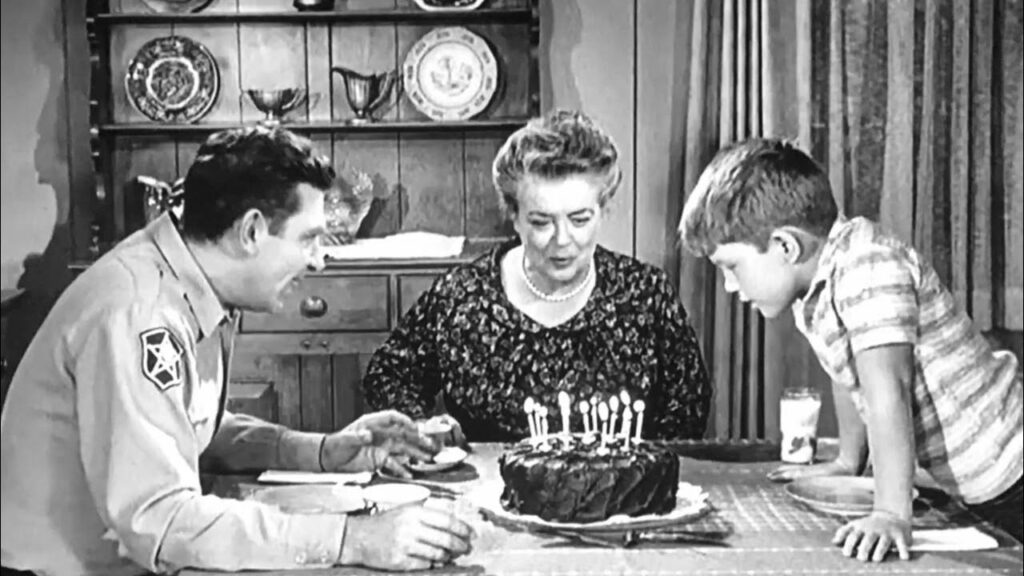
After the weekend, the cast carried on. They laughed again, danced again, told corny jokes and sang barbershop harmonies.
And in doing so, they offered something crucial to the American people: comfort.
“The world was grieving. But we gave them half an hour where they didn’t have to,” Joseph said.
It wasn’t just escapism. It was service. A reminder that even when the world breaks, a story can still hold you together.
Legacy of a Moment Never Seen On Screen
The assassination of President Kennedy was one of the most defining tragedies of the 20th century.
The Andy Griffith Show never mentioned it. But its cast lived through it, quietly and deeply.
And for one actress, it revealed both the heart and the fault lines of a beloved American institution.
Because even in Mayberry, sometimes the real world finds a way in.
For every smile that hid a tear, and every laugh that came after loss.